
Are DWI Checkpoints Legal in Texas?
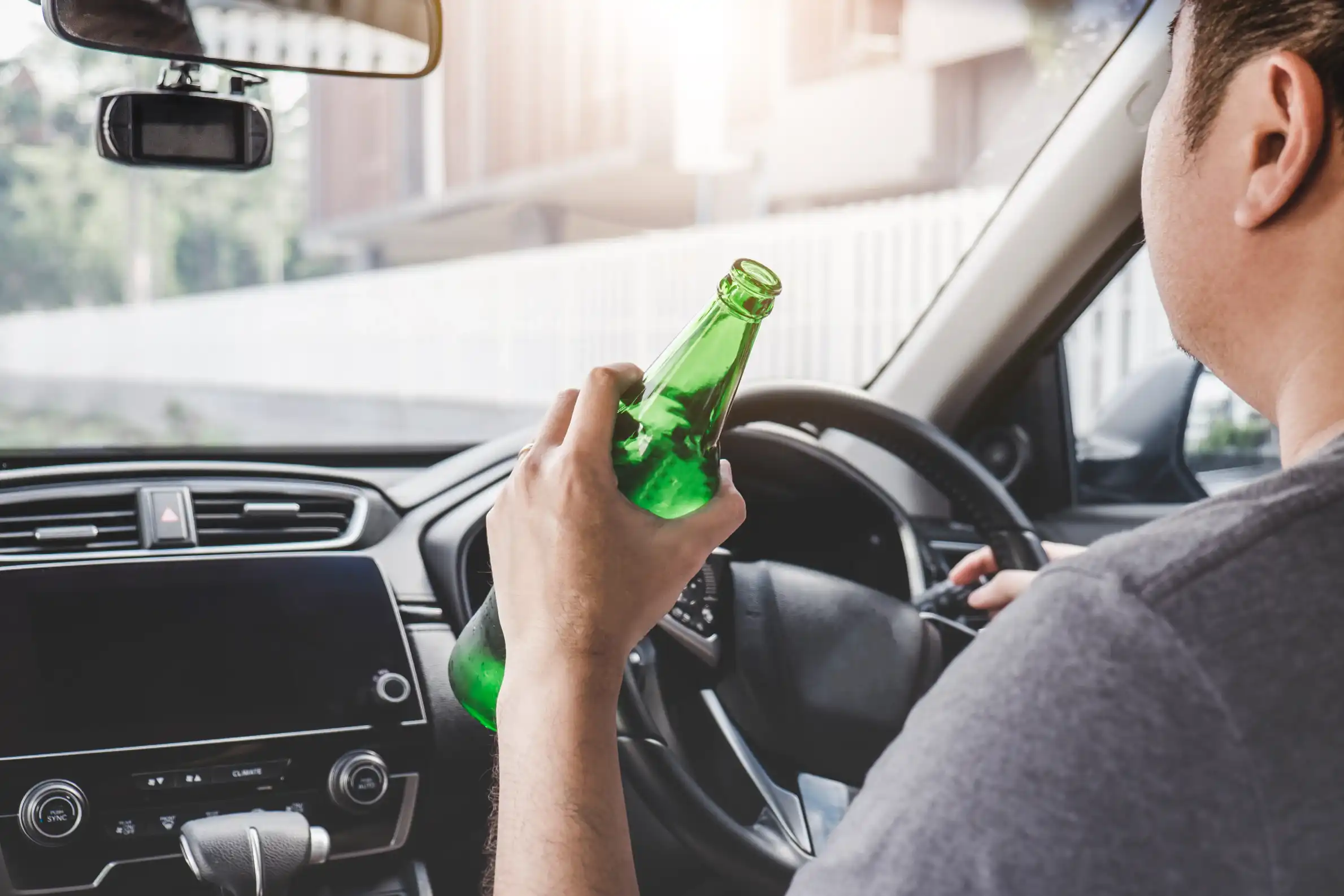

No, DWI checkpoints in Texas are not legal. State courts have thrown them out as a violation of your protection against unreasonable searches, which puts Texas at odds with the many states that still run them. The same answer applies to DUI checkpoints in Texas, since both terms describe the same roadblock-style stop.
Why Texas Courts Rejected Sobriety Checkpoints
Roadblocks that stop every passing car sit on shaky legal ground in this state. A few clear reasons keep them off the road for good:
- The Texas Legislature has never passed a law authorizing them
- The state constitution bars stops made without individualized suspicion
- No state agency has issued official checkpoint procedures
- Evidence collected at a roadblock can be thrown out in court
In a 1994 case, Holt v. State, the Texas Court of Criminal Appeals held that sobriety checkpoints violate the search-and-seizure protections in the Texas Constitution, Article I, § 9.
The court tossed the evidence from that roadblock, and no later law has revived the practice. The rules around Collin County DWI charges start with how police are allowed to stop you, so any stop must trace back to something a specific driver did.
Can Police Still Pull You Over for Drunk Driving?
Losing checkpoints does not leave officers without tools, because a lawful stop only needs a specific reason tied to your driving. Police can pull you over the moment they spot a traffic violation, such as:
- Speeding or rolling through a stop sign
- Drifting across lane lines
- Driving at night with no headlights
- Ignoring a broken taillight or expired registration
Once an officer has that reason and stops you, anything noticed next can build a case. Under Texas Penal Code § 49.04, a person commits an offense by operating a motor vehicle in a public place while intoxicated.
That is the charge officers work toward when a routine stop turns up slurred speech, open containers, or the smell of alcohol.
How Texas Enforces DWI Laws Without Checkpoints
Law enforcement has plenty of ways to reach impaired drivers, even with roadblocks off the table. Officers frequently wait near bars and event venues on busy nights, ready for any small violation that hands them a reason to pull someone over.
Enforcement tends to spike on weekends, holidays, and the late hours around last call:
- Targeted patrol waves that concentrate squad cars in one zone
- No Refusal events where warrants for blood samples come fast
- Crash-data mapping that steers officers toward risky corridors
- Heavier coverage during holiday weekends and overnight hours
On a No Refusal night, a judge stays available to approve a blood warrant the second a driver turns down a breath test, so a refusal no longer stalls the case.
Anyone dealing with multiple DWIs tends to draw a closer look, because a fresh charge stacked on past convictions carries far steeper penalties. State grant money keeps these efforts funded, which means more marked and unmarked units working the roads when drinking peaks.
When You Might Still Hit a Checkpoint
The ban covers sobriety stops inside state lines, but a few lawful roadblocks look similar and can still catch you off guard. Watch for these situations:
- A neighboring state that still allows sobriety checkpoints
- Federal immigration checkpoints near the southern border
- Commercial truck weigh stations and safety inspections
- Roadblocks set up to catch a specific fleeing suspect
The federal picture differs from the state one, since the U.S. Supreme Court ruled in Michigan Department of State Police v. Sitz that neutral, well-run checkpoints pass constitutional muster.
States are free to offer more protection than that floor, and Texas has chosen to do exactly that. If you carry a commercial driver’s license, inspection stops are already part of the job, and a stricter alcohol limit follows you into the cab.
What Your Rights Are at a Traffic Stop
You have the right to stay silent beyond handing over your license, registration, and proof of insurance. You can decline roadside field sobriety tests, though refusing a breath or blood test after a lawful arrest brings its own license penalty under the state’s implied consent rule.
Defending Your Rights Around DWI Checkpoints in Texas
A questionable roadblock or traffic stop can put your license, your job, and your driving record on the line. The clock to challenge that arrest starts running the moment you are booked. Our DWI defense team looks closely at how the stop began, whether officers had a lawful reason for the stop, and which evidence a judge could keep out of your case.
Free consultations are available for criminal cases, so put Collin County Law Group to work on your defense by calling (972) 548-7167, or contact us online to set up a DWI defense strategy session. Get real answers about DWI checkpoints in Texas before your court date, while there is still time to affect the outcome.
Our Office Location
Request A Free Consultation
Fill Out the Form
Fields Marked With An ” *” Are Required
"*" indicates required fields

Schedule A Consultation
(972) 548-7167
© Copyright 2026 The Collin County Law Group. All rights reserved.
