
Collin County Federal Drug Crime Lawyer
Facing federal drug crimes in Texas brings forth an array of serious consequences that can profoundly impact your life. From substantial fines and lengthy prison sentences to the potential forfeiture of assets, the gravity of these charges cannot be overstated. The intricate web of federal laws governing drug offenses demands a strategic and knowledgeable approach.
As a premier defense firm in Collin County, we have experience in assisting clients who face federal drug charges. Our seasoned attorneys understand the gravity of these charges and the intricacies of federal drug laws. We are committed to providing our clients with the robust defense and personalized legal guidance they need during these challenging times.
Whether you’re dealing with charges of possession, distribution, or manufacturing, our team is equipped with the knowledge and experience to navigate the legal system and advocate for your rights. Don’t wait to get the representation you deserve. Call us today at 972-548-7167.
Understanding Federal Drug Offenses
 For those confronted with federal drug offenses, it’s important to grasp the legal landscape. Collin County Law Group can provide essential support in such cases through criminal defense representation, guiding clients through the maze of legal aspects surrounding drug possession, and representing individuals confronted with federal drug charges.
At Collin County Law Group, we base our approach on empowering our clients. We provide comprehensive information about the laws and work collaboratively on cases to deliver impactful and meticulous representation, including those involving Collin County drug offenses.
Our criminal defense attorney shoulders a crucial responsibility, providing legal representation and developing defense strategies for individuals facing charges related to federal drug crimes. Their knowledge is crucial in understanding complex federal drug laws, including those related to:
- controlled substances
- drug trafficking
- drug manufacturing
- drug possession
- drug distribution
Federal vs. State Drug Charges: Key Differences
Federal and state drug charges may appear similar, yet there are crucial differences in terms of jurisdiction, penalties, and prosecution. A federal drug offense falls under federal jurisdiction, which pertains to offenses of national interest, including those occurring on federal property or crossing state lines. Conversely, state drug charges, such as a state jail felony, are initiated by state or local agencies for offenses committed within state boundaries.
Moreover, federal drug charges typically entail more severe penalties compared to state drug charges and are often categorized as felonies, resulting in harsher consequences and lengthier incarceration periods. The prosecution process for federal drug charges follows specific procedures mandated by federal law, distinguishing it from processes governed by state law. This means that those accused of federal drug crimes can expect a rigorous and often unforgiving legal battle, with federal prosecutors who are well-versed in complex drug legislation and have a wealth of resources at their disposal.
It is crucial for defendants to have an equally knowledgeable and resourceful defense team to navigate the treacherous waters of federal court proceedings. The stakes are incredibly high in federal cases, not just because of the potential for severe sentencing, but also due to the profound and lasting impact a federal felony conviction can have on one’s life, including loss of voting rights, difficulty in finding employment, and social stigma.
Navigating the Federal Court System
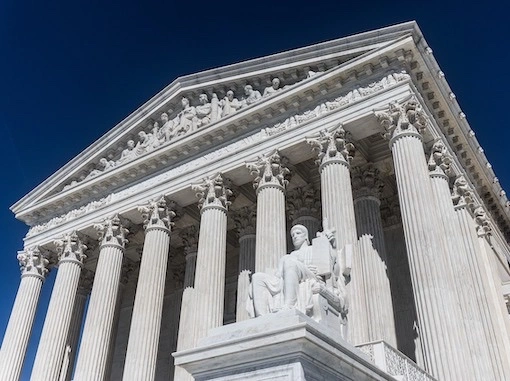
The federal court system, under the supervision of the federal government, with its labyrinth of procedures and regulations, can be intimidating. However, at Collin County Law Group, our attorneys are well-versed in knowing how to use these intricacies to protect clients’ rights. The Federal court system comprises three primary tiers: district courts, circuit courts, and the Supreme Court of the United States. Each level plays a specific role in the administration of justice, including the handling of drug crime cases.
Our approach to walking through the Federal court system involves:
- Active engagement with the District Attorney’s office and judiciary to facilitate efficient case proceedings.
- Ensuring our clients understand their charges, including those related to prescription drugs.
- Making every effort to safeguard their constitutional rights.
The Controlled Substances Act (CSA) Explained
The Controlled Substances Act (CSA) sets the framework for U.S. drug policy, governing the production, importation, possession, consumption, and distribution of specific substances, including controlled substances. The CSA categorizes these substances into one of five schedules based on their regulation under current federal law. The classification of drugs according to recognized medical purposes, likelihood of abuse, and level of harm determines their legality. Schedule I drugs, for instance, are substances with no current accepted medical use and a high potential for abuse, making them illegal drugs, or in other words, an illegal substance.
Under the CSA, drugs such as marijuana, ecstasy, heroin, LSD, and peyote fall under Schedule I, while drugs like Xanax, Ambien, Ativan, and Valium are classified as Schedule IV drugs. The drug schedules under the CSA significantly impact the severity of penalties for federal drug offenses, with Schedule I drugs usually carrying the most severe penalties.
Comprehending the CSA and its implications forms the basis for a strong defense strategy and a positive case resolution.
Tailoring Defense Strategies for Federal Drug Charges
When confronted with federal drug charges, a tailored defense strategy becomes necessary – that’s where our role comes into play. At Collin County Law Group, we challenge evidence, protect against illegal search and seizure, and negotiate plea agreements to secure favorable results for our clients. Our proven track record of effectively contesting evidence in federal drug charge cases has resulted in not-guilty verdicts, dropped charges, expunged cases, and reduced charges.
Challenging Evidence and Proving Insufficient Proof
Evidence forms the backbone of any criminal case, and challenging its validity or sufficiency can often tilt the scales in favor of the defendant. Our attorneys tirelessly work to:
- Question the legality of evidence acquisition.
- Scrutinize witness credibility.
- Dispute the chain of custody of the evidence.
- Contest the accuracy of laboratory tests.
- Consider potential violations of the defendant’s Fourth Amendment rights by law enforcement, which can lead to the exclusion of improperly obtained evidence.
Law enforcement errors, such as mishandling evidence or failing to properly collect it, can often present opportunities for contesting its validity. Our extensive experience and thorough understanding of evidence laws enable us to identify these errors, strengthening the defense strategy.
Protecting Rights Against Illegal Search and Seizure
The Fourth Amendment of the U.S. Constitution provides safeguards against unreasonable searches and seizures, protecting the privacy of individuals. In federal drug cases, an unlawful search and seizure occurs when law enforcement carries out a search without a valid search warrant issued by a judge unless a recognized exception to the warrant requirement is applicable.
Our attorneys meticulously verify that law enforcement officers possess a valid search warrant or probable cause prior to initiating a search. We also challenge the legality of any search and seizure actions in legal proceedings if they were carried out without appropriate justification. This attention to detail can often lead to the dismissal of charges, providing a significant advantage to our clients.
Negotiating Plea Agreements and Sentencing Options
Plea agreements and alternative sentencing options can often provide a path toward minimizing the impact of a federal drug conviction. As skilled negotiators, our lawyers work relentlessly to obtain the most favorable results for our clients. Plea agreements can offer numerous benefits, such as a reduced sentence for admitting guilt to a lesser offense or the avoidance of the uncertainties and costs associated with a prolonged trial.
In addition to plea agreements, we also explore alternative sentencing options, such as community service or probation. These alternatives can often provide a more rehabilitative and less punitive approach to dealing with federal drug offenses, especially when compared to a Class B misdemeanor.
The Impact of a Federal Drug Conviction
A federal drug conviction can have far-reaching consequences. The sentencing guidelines for federal drug offenses are discretionary, varying significantly based on the specific circumstances and the type and quantity of drugs involved. Mandatory minimum sentences prescribed for federal drug convictions depend on the type of drug and its quantity, with offenses involving larger amounts of drugs leading to lengthier mandatory minimum sentences.
In addition to incarceration, those convicted can be subject to substantial financial penalties, including hefty fines and the forfeiture of assets. The financial strain can continue long after any prison sentence has been served, affecting the individual’s ability to recover and rebuild their life financially.
The repercussions of a federal drug conviction also permeate various aspects of daily life. Convicted individuals may experience difficulties in securing employment due to the stigma associated with a felony record. Employers often conduct background checks and may be hesitant to hire someone with a federal drug conviction, limiting job opportunities and career advancement
Despite these challenges, it’s important to remember that there are resources and support systems available to guide individuals through this difficult period.
Understanding Sentencing Guidelines and Mandatory Minimums
Comprehending federal sentencing guidelines and mandatory minimums is a key element in constructing a robust defense. Mandatory minimum sentences in federal drug cases are predetermined minimum sentences that judges are required to impose for specific drug offenses, with larger amounts of drugs generally leading to lengthier sentences.
These sentencing guidelines consider several factors, such as:
- the specific drug involved
- the quantity of drugs
- any prior criminal history
- the individual’s role in the offense
- the existence of any aggravating or mitigating circumstances
Life After Conviction: Challenges and Opportunities
Life after a drug possession conviction often presents significant challenges, including the deprivation of liberty through imprisonment and enduring repercussions that impact employment, housing, and education. At Collin County Law Group, we provide ongoing support to individuals facing these challenges, offering legal representation and guidance to effectively address post-conviction issues.
Despite the hurdles, it’s worth noting that opportunities for rehabilitation and personal development are accessible.
Contact Collin County Law Group to Confidently Fight Federal Drug Charges
With over 100 combined years of experience in handling criminal cases, Collin County Law Group offers comprehensive legal support throughout your case. Our legal professionals are prepared to handle diverse cases and legal proceedings, always aiming to secure the most favorable results for our clients without delay. Our extensive experience in handling federal drug conspiracy cases and interactions with federal authorities underscores our proficiency in this field.
Federal drug charges can be overwhelming, but with the right legal support, it’s possible to secure a favorable outcome. Collin County Law Group provides experienced and comprehensive legal support in handling federal drug cases. Our attorneys’ experience in understanding federal drug offenses, tailoring defense strategies, the federal court system, and negotiating plea agreements can make a significant difference in your case.
From the preliminary hearing to the pre-trial phase, our team is there to support you every step of the way. To speak to a member of our team about your case, call us today at 972-548-7167.
Frequently Asked Questions
What constitutes a federal drug charge?
A federal drug charge typically involves the violation of drug laws on a national level, often involving large quantities, interstate trafficking, or organized criminal activities.
How do federal drug charges differ from state charges?
Federal charges involve violations of national drug laws, while state charges are based on local regulations. Federal cases often have stiffer penalties due to the larger scope of the offenses.
What are the potential penalties for federal drug charges?
Penalties vary based on factors like the type and quantity of drugs involved. They may include hefty fines, mandatory minimum sentences, and potential asset forfeitures.
Can I be charged with conspiracy in a federal drug case?
Yes, conspiracy charges are common in federal drug cases, especially if there’s evidence of collaboration or planning with others to commit drug-related offenses.
How can I challenge federal drug charges?
Defenses may include challenging evidence, questioning search and seizure procedures, or disputing the legality of the arrest. Consult with an experienced attorney for personalized advice.
What role does intent play in federal drug charges?
Intent is crucial; charges may differ based on whether authorities believe the drugs were for personal use, distribution, or trafficking. Intent can significantly impact the severity of the charges.
Can I get bail for federal drug charges?
Bail eligibility depends on factors like the severity of charges, criminal history, and flight risk. Federal cases often have stricter bail conditions, and some offenses may be non-bailable.
How long do federal drug investigations typically last?
The duration varies; federal drug investigations can be lengthy due to their complexity. Factors such as the scale of operations, evidence gathering, and collaboration with other agencies contribute to the timeline.
What should I do if I’m facing federal drug charges?
Seek legal representation immediately. Consult with an experienced federal drug charges lawyer to understand your rights, build a defense strategy, and navigate the legal process.
Can I negotiate a plea deal for federal drug charges?
In some cases, negotiating a plea deal may be possible. This involves pleading guilty to a lesser charge in exchange for reduced penalties. Consult with your attorney to explore options.



Our Office Location
Request A Free Consultation
Fill Out the Form
Fields Marked With An ” *” Are Required
"*" indicates required fields

700 Central Expy S. Ste 550
Allen, TX, 75013
Schedule A Consultation
(972) 548-7167
© Copyright 2026 The Collin County Law Group. All rights reserved.
