
Collin County Drug Related DWI Defense Lawyer
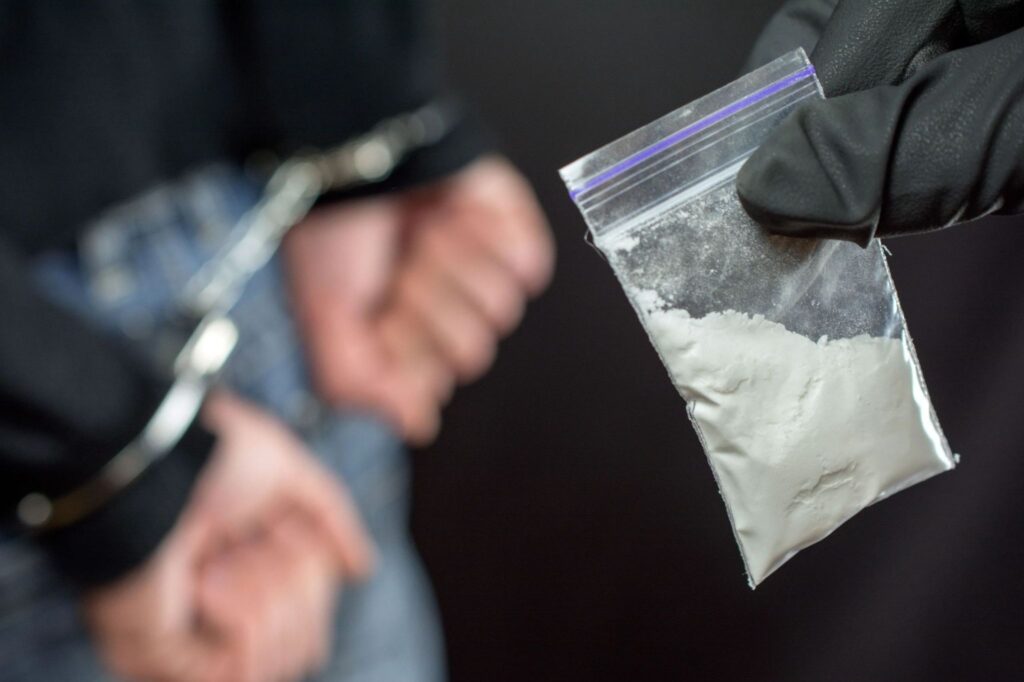 If you’re facing drug-related DWI charges in Collin County, you need a skilled and experienced defense lawyer on your side. Navigating the legal system can be overwhelming, but having the right attorney can make all the difference.
At Collin County Law Group, we defend clients against drug-related DWI charges, ensuring that your rights are protected while working towards the most favorable outcome. Our defense attorneys have over 100 years of combined trial experience and a proven track record of success in criminal defense.
Don’t wait to get the help you need. Our dedicated DWI attorneys are ready to provide the legal representation you deserve. We understand the difficulty of drug-related DWI cases and are committed to offering personalized and effective defense strategies tailored to your unique situation.
Contact Collin County Law Group today at 972-548-7167 for an initial consultation.
Understanding Drug-Related DWI Charges
In Collin County, Texas, DWI (Driving While Intoxicated) and DUI (Driving Under the Influence) are distinct charges with specific age criteria. DWI applies to drivers 21 or older who are caught operating a vehicle with a blood alcohol concentration (BAC) of 0.08% or higher, or when their driving is impaired by alcohol or drugs.
DUI, on the other hand, refers to drivers under 21. In Texas, a DUI is generally a Class C misdemeanor for individuals between 18 and 21 years old.
Under Texas law, a drug-related DWI occurs when an individual operates a motor vehicle while intoxicated due to the influence of drugs or controlled substances. This includes both prescription drugs such as Xanax and hydrocodone and illegal drugs like marijuana and ecstasy. You do not need to have consumed alcohol to be charged with a DWI; the presence of these substances alone can significantly impair your driving abilities and lead to a DWI arrest.
Drug-related DWI charges are taken very seriously under Texas criminal law. The legal definition of intoxication includes not having the normal use of mental or physical faculties due to the introduction of a controlled substance into your body. This broad definition means that even legally prescribed medications can result in a DWI charge if they impair your ability to drive safely.
Legal Consequences of Drug-Related DWI
 The legal consequences of a drug-related DWI can be severe and life-altering.
- In Texas, a first-time DWI charge can result in:
- Fines of up to $2,000
- Up to six months in jail
- A second DWI charge is classified as a Class A misdemeanor and can lead to:
- Fines up to $4,000
- Jail time ranging from 30 days to one year
- A third DWI offense escalates to a third-degree felony, which can result in:
- Two to ten years of imprisonment
- Fines up to $10,000
Your driver’s license can be suspended for varying periods, from 90 days for a chemical test result exceeding the legal limit to up to 180 days for refusing to provide a specimen.
Please be aware that legal regulations including potential dollar amounts or imprisonment lengths may change over time. For the most current and accurate information, consult with a legal professional to ensure accuracy in your specific situation.
Beyond these immediate penalties, a drug-related DWI conviction can have long-term consequences on your life. It can affect your employment opportunities, housing options, and even your social relationships.
Testing Procedures
In Texas, if you are suspected of driving under the influence of drugs, police officers have the right to administer blood and urine tests under the state’s implied consent law. This means that by holding a driver’s license, you have implicitly agreed to submit to these tests when lawfully requested by an officer. However, the officers can obtain a warrant to get you to take a blood test if you refuse.
The presence of drugs in your blood or urine does not automatically indicate impairment at the time of driving. The accuracy and reliability of these tests can be challenged, especially if the equipment used is not certified, which may lead to the exclusion of test results from evidence.
Refusing a chemical test can also have immediate consequences, such as the automatic suspension of your driver’s license.
Building a Strong Defense Against Drug-Related DWI Charges
Building a strong defense against drug-related DWI charges involves multiple strategies tailored to the specifics of each case. The circumstances surrounding the offense and the available evidence play a pivotal role in determining the best approach. With the right legal strategies, it is possible to challenge the prosecution’s case and work towards a favorable outcome.
A comprehensive defense plan includes:
- Challenging the evidence presented by the prosecution.
- Proving a lack of impairment at the time of the arrest.
- Leveraging the experience of seasoned attorneys.
- Questioning the validity and reliability of chemical tests.
- Examining the legality of the traffic stop and arrest procedures.
- Demonstrating compliance with prescription medication guidelines.
- Highlighting any procedural errors or rights violations.
- Providing personalized legal strategies tailored to the specifics of the case.
These elements collectively contribute to a defense that can dismantle the prosecution’s arguments and create reasonable doubt about the accused’s guilt.
Challenging the Evidence
 One of the primary tactics in defending against a drug-related DWI charge is challenging the evidence presented by the prosecution. DWI lawyers often focus on the validity of chemical tests, questioning whether the tests were conducted properly and whether the equipment used was certified.
For example, in one notable case, the defense team successfully argued that the breathalyzer machine used was not properly calibrated, leading to inaccurate results. By discrediting the reliability of these tests, attorneys can argue that the evidence is insufficient to support a conviction.
Another aspect is the legality of the traffic stop that led to the DWI arrest. If the stop was not conducted according to legal protocols, any evidence collected during the arrest might be deemed inadmissible. This can significantly weaken the prosecution’s case and potentially lead to the dismissal of charges. Establishing these points requires a meticulous examination of the arresting officer’s actions and the procedures followed during the stop.
Proving Lack of Impairment
The prosecution must prove beyond a reasonable doubt that the driver was impaired by the drug at the time of the arrest to secure a conviction for a drug-related DWI. This can be particularly challenging, especially in cases involving prescription drugs. Demonstrating a lack of impairment is a powerful strategy for creating reasonable doubt and securing a favorable verdict.
Leveraging Our Experience
The experience of our DWI defense team at Collin County Law Group plays a role in building a strong case. Our attorneys often leverage their backgrounds as former prosecutors to enhance their defense strategies, providing a unique perspective that can be highly advantageous in court. With over 100 years of combined experience, our team has a deep understanding of the legal system and the nuances of DWI cases.
We focus on crafting tailored legal strategies that align with the specific details of each case. This personalized approach has led to a track record of successful outcomes across a variety of criminal cases. By leveraging our extensive experience and knowledge, we can provide clients with the best possible defense against drug-related DWI charges.
Additional Resources for Drug-Related DWI Cases in Collin County
Apart from legal representation, there are additional resources available in Collin County that can assist individuals facing drug-related DWI charges. Utilizing these resources can provide comprehensive support and aid in the recovery process.
Collin County Law Group offers essential assistance to DWI clients, addressing both criminal issues and driver’s license concerns. Leveraging these resources can significantly enhance the defense strategy and provide a holistic approach to dealing with the charges.
Educational Programs and Support Groups
Educational programs and support groups help individuals charged with drug-related DWI offenses. The Collin County Substance Abuse Program, for instance, provides a range of services, including prevention, intervention, treatment, assessments, referrals, information, and education. These services are designed to help individuals understand the impact of substance abuse and equip them with the tools needed for recovery.
Narcotics Anonymous (NA) is another valuable resource, offering peer support for individuals recovering from narcotics addiction. The support provided by NA can be helpful for those dealing with the aftermath of a drug-related DWI arrest, helping them stay on the path to recovery and avoid future legal issues.
Collin County DWI/Drug Court Information
The Collin County DWI/Drug Court program is designed to provide a structured approach for managing high-risk substance-dependent offenders. The program aims to reduce reoffending by offering an alternative to traditional sentencing, focusing on rehabilitation rather than punishment. Participants are required to complete a drug offender program, attend regular court appearances, and undergo intensive counseling and testing.
The mission of the DWI/Drug Court is to provide a comprehensive support system for offenders, helping them reintegrate into society as responsible individuals. By participating in this program, individuals can work towards reinstating their driver’s licenses and avoid the long-term consequences of a drug conviction.
Why Choose Collin County Law Group for Your Defense
Choosing the right law firm for your defense is an important decision that can significantly impact the outcome of your case. The Collin County Law Group stands out for its extensive experience, personalized approach, and commitment to client satisfaction. Our team is well-equipped to handle even the most complex cases of drug-related offenses.
Our DWI defense attorneys include former prosecutors and board-certified professionals who bring a unique perspective to criminal defense. This combination of experience and specific focus ensures that clients receive the highest level of legal representation and the best possible defense against drug-related DWI charges, including insights from a former assistant district attorney, a chief felony prosecutor, and a former chief felony prosecutor, as well as a former prosecutor.
Personalized Legal Representation
At the Collin County Law Group, clients receive personalized attention and services tailored to their specific needs. This individualized approach ensures that each client’s unique circumstances are considered when developing a defense strategy. Our DWI defense attorneys take the time to understand the details of each case, providing legal strategies that are specifically designed to achieve the best possible result.
Personalized legal representation allows us to address the nuances of each case and provide clients with needed support throughout the legal process. This commitment to individualized service sets us apart and ensures that our clients feel confident and supported at every step.
Extensive Legal Experience
The Collin County Law Group boasts a collective experience exceeding a century in criminal defense. Our lawyers have secured over 500 not-guilty verdicts in DWI trials, demonstrating our effectiveness and dedication to achieving favorable outcomes for our clients. One of our attorneys is board-certified in criminal law by both the Texas Board of Legal Specialization and on a national level, reflecting our commitment to the highest standards of legal practice.
This extensive experience and proven track record provide clients with the confidence that their case is in capable hands. Our deep understanding of criminal law and our strategic approach to defense ensure that we are well-prepared to handle any challenges that may arise.
Schedule an Initial Consultation
If you’re facing drug-related DWI charges in Collin County, don’t wait to get the legal support you need. During the initial consultation, our DWI attorneys provide legal advice and answer any questions you may have about your case, helping you understand the potential results and the steps involved in building a strong defense.
Scheduling an initial consultation is straightforward and offers a valuable opportunity to get professional insights into your case. We encourage anyone facing drug-related DWI charges to take advantage of this service and gain a clearer understanding of their legal standing. Call us today at 972-548-7167 because this proactive step can make a significant difference in how your case is handled and ultimately resolved.
Frequently Asked Questions
Can a drug-related DWI charge be expunged from my record?
In Texas, it is possible to have a drug-related DWI charge expunged or sealed under certain conditions. If you were acquitted, had your case dismissed, or completed a deferred adjudication program successfully, you might be eligible for expungement. Consulting with an attorney can provide clarity on your specific eligibility and guide you through the process.
How does a drug-related DWI differ from an alcohol-related DWI?
A drug-related DWI involves impairment due to drugs or controlled substances, whereas an alcohol-related DWI involves impairment due to alcohol consumption. The testing procedures and evidence required can differ, with drug-related cases often relying on blood or urine tests. Additionally, the legal strategies for defense may vary based on the type of substance involved.
What should I do if I am pulled over and suspected of a drug-related DWI?
If you are pulled over and suspected of a drug-related DWI, it is crucial to remain calm and respectful. You have the right to remain silent and request an attorney before answering any questions. It is also important to understand your rights regarding chemical tests and the potential consequences of refusing such tests.
Are there any defenses specific to prescription drug-related DWI charges?
Yes, there are defenses specific to prescription drug-related DWI charges. One common defense is proving that the prescribed medication was taken according to the doctor’s instructions and did not impair your ability to drive. Another defense might involve challenging the prosecution’s evidence regarding the level of impairment caused by the medication.
How can a drug-related DWI affect my professional license?
A drug-related DWI can have serious implications for professional licenses, especially in fields that require a high level of trust and responsibility, such as healthcare, law, and education. A conviction can lead to disciplinary actions, including suspension or revocation of your license. It is vital to inform your attorney about any professional licenses you hold so they can address these potential consequences in your defense strategy.




Our Office Location
Request A Free Consultation
Fill Out the Form
Fields Marked With An ” *” Are Required
"*" indicates required fields

700 Central Expy S. Ste 550
Allen, TX, 75013
Schedule A Consultation
(972) 548-7167
© Copyright 2026 The Collin County Law Group. All rights reserved.
