
Texas Open Container Laws: What Drivers and Passengers Should Know
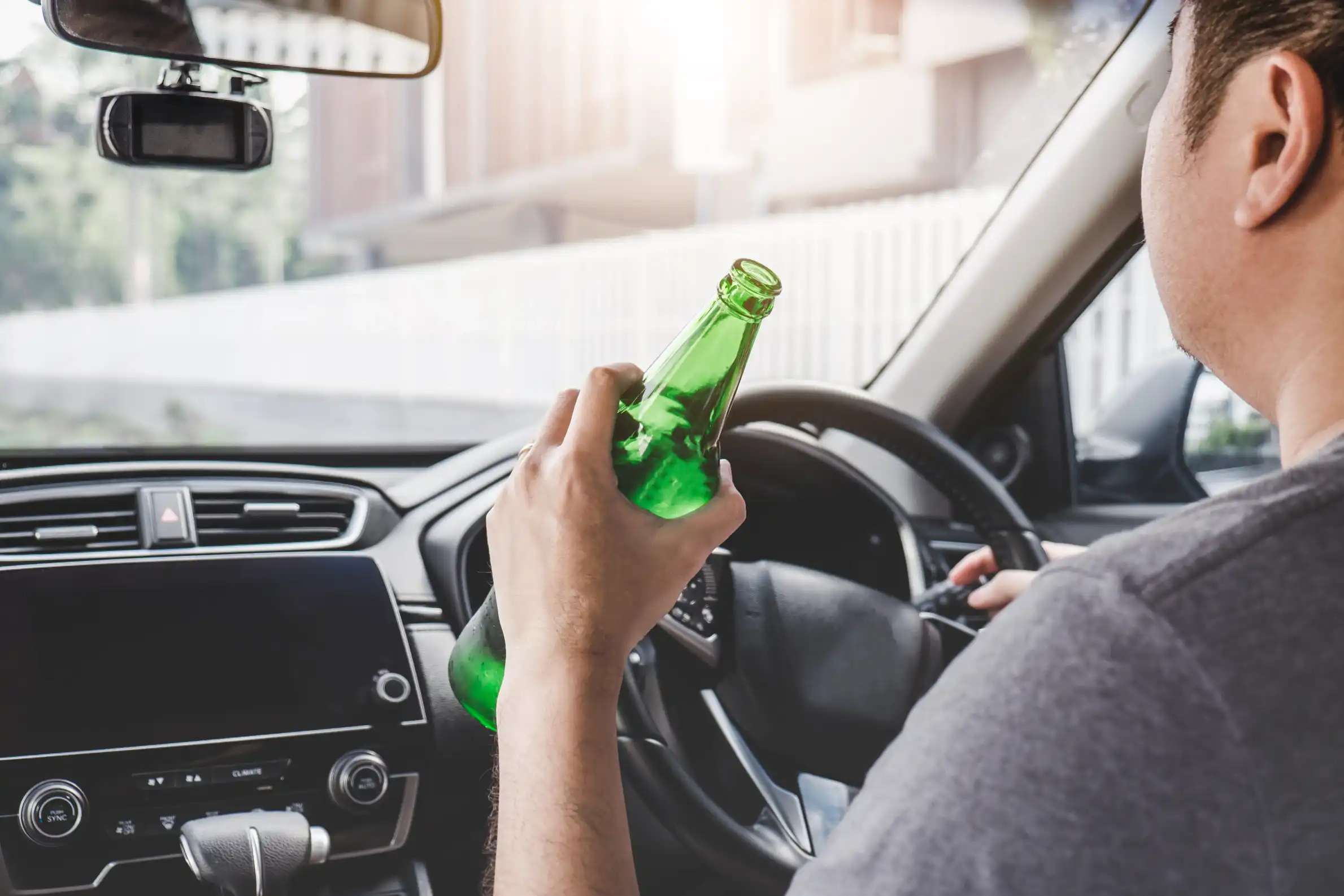

Having an open container of alcohol in the passenger area of a motor vehicle on a public roadway is against the law in Texas, whether the vehicle is moving, stopped, or parked. The offense is a Class C misdemeanor on its own, but it can also escalate the consequences of a related DWI arrest.
What Is the Open Container Law in Texas?
Texas open container law, Texas Penal Code Section 49.031, applies to any motor vehicle located on a public highway, regardless of whether the engine is running. You can be charged even when the car is parked on the shoulder, stopped at a red light, or sitting idle in a public lot. The vehicle’s status does not erase the violation.
Definition of Open Container
An open container means any bottle, can, or receptacle containing an alcoholic beverage that has been opened, has a broken seal, or has had its contents partially removed. A half-finished beer, an uncorked wine bottle, or a partially consumed mixed drink all qualify under Texas law.
How Do You Legally Transport Open Containers?
The passenger area covers the part of the vehicle designed for seating drivers and passengers, including the floorboards, seats, and any compartments easily reached from those seats. Open containers must be kept out of that area entirely. Legal storage locations include:
- Inside a locked glove compartment
- In the trunk of the vehicle
- Behind the last upright seat in vehicles without a trunk
- In a locked storage compartment of an RV
If the container is not in one of these locations and is within reach of a driver or passenger, it is in violation of the law.
Exceptions to Texas Open Container Laws
Some vehicles fall outside the standard rules. Passengers in limousines, taxis, buses, and the living quarters of motor homes or RVs may possess open containers. These exceptions exist because the passenger area in those vehicles is treated more like a private space than a typical car cabin.
Open Container Liability
Can passengers drink alcohol in a car in Texas because they are not driving? The law says no. Both drivers and passengers can be charged with an open container violation, since the law focuses on possession rather than consumption. An officer who finds an open beer at a passenger’s feet can cite that passenger directly, even if the driver is completely sober and unaware of the container’s presence.
Penalties for Open Container Violations
An open container charge, on its own, is a Class C misdemeanor in Texas, similar to a traffic ticket. Although the immediate penalties are relatively minor, the offense can still lead to consequences that have longer-term significance:
- Fine: Up to $500, plus court costs and administrative fees added by the local court.
- No jail time: Standalone Class C open container charges do not carry jail potential on their own.
- Criminal record: A conviction appears on background checks and can affect employment and housing decisions.
- Insurance impact: Auto insurers may raise premiums after seeing the offense on a driving record.
How Does an Open Container Enhance a DWI Charge?
When an open container is found during a DWI arrest, Texas Penal Code Section 49.04(c) increases the minimum jail term for a first-time DWI conviction from 72 hours to six days. The enhancement applies even when the driver was not the one drinking from the container, which means a sober mistake by a passenger can carry serious consequences for the person behind the wheel. That distinction matters: a passenger’s open container can directly affect the driver’s minimum jail exposure.
The presence of an open container also gives an officer grounds to suspect and investigate DWI.
Contact Collin County Law Group About an Open Container or DWI Charge
An open container found during a DWI stop can increase the minimum jail term and complicate the defense of both charges. The sooner you have legal representation in place, the more options remain available to challenge the evidence and address both charges. At Collin County Law Group, our attorneys bring more than 100 years of combined trial experience to every alcohol-related defense.
Call our firm at (972) 548-7167 or contact us online to schedule your free consultation with our Collin County DWI defense lawyers.
Our Office Location
Request A Free Consultation
Fill Out the Form
Fields Marked With An ” *” Are Required
"*" indicates required fields

700 Central Expy S. Ste 550
Allen, TX, 75013
Schedule A Consultation
(972) 548-7167
© Copyright 2026 The Collin County Law Group. All rights reserved.
