
Texas Ghost Gun Laws
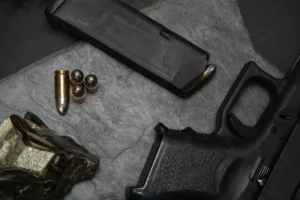 In recent years, “ghost guns” have become a growing topic in both state and national legal discussions. These firearms, often assembled from kits or 3D-printed parts, can be built without a serial number, making them difficult to trace.
At Collin County Law Group, our gun charge defense attorneys understand how confusing Texas ghost gun laws can be, especially with ongoing changes at the federal level. If you have questions about the legality of ghost guns or are facing criminal charges related to one, our criminal defense attorneys are here to help you understand your rights and defend your case.
Call us today at 972-548-7167.
What Is a Ghost Gun?
A ghost gun is an unregistered firearm that lacks a serial number and is often made from:
- “80 percent” receiver kits that require additional milling or drilling before they can function as firearms
- 3D-printed parts combined with commercially purchased components
- Parts purchased separately and assembled at home
Because they are not commercially manufactured with serial numbers, ghost guns can be difficult for law enforcement to trace if used in a crime.
Are Ghost Guns Legal in Texas?
As of now, Texas state law does not explicitly prohibit the private manufacture or possession of a firearm for personal use, even if it lacks a serial number. This means that, under Texas law alone, building a ghost gun for yourself is generally legal, provided you are otherwise allowed to own a firearm and the gun complies with all other weapons restrictions.
However, federal law is a different matter, and recent rule changes from the Bureau of Alcohol, Tobacco, Firearms, and Explosives (ATF) have created new requirements that affect Texans.
Federal Regulations on Ghost Guns
In recent years, the ATF implemented a rule redefining “firearm” to include partially completed frames and receivers that can be “readily converted” into working guns. Under this rule:
- Commercial sellers of unfinished frames and receivers must be licensed and must engrave serial numbers on these parts.
- Buyers must undergo a background check when purchasing such parts from a licensed dealer.
- Gunsmiths who complete unfinished frames or receivers for customers must mark them with serial numbers and keep records.
While these federal rules do not ban ghost guns outright, they make it illegal for specific individuals, such as convicted felons, domestic violence offenders, or those under restraining orders, to possess them, even if privately made.
When a Ghost Gun Becomes Illegal in Texas
Although Texas does not have a state ban, there are several situations where possession of a ghost gun can lead to criminal charges:
- Prohibited Persons – Federal and Texas laws prohibit certain individuals from possessing any firearm, including ghost guns.
- Use in a Crime – Possessing a ghost gun during the commission of a crime can increase charges and penalties.
- Possession of a Prohibited Weapon – If the ghost gun qualifies as a prohibited weapon (such as a short-barrel rifle or machine gun) and is not correctly registered under federal law, it is illegal.
- Federal Compliance Violations – If you sell or transfer ghost guns without following federal serialization and recordkeeping requirements, you may face federal charges.
Penalties for Ghost Gun Offenses
Penalties depend on the specific charge and whether the case is prosecuted under state or federal law. Potential consequences include:
- State Felony Charges – For possession by a prohibited person or possession of a prohibited weapon.
- Federal Felony Charges – For violating ATF regulations, which can result in significant prison time and fines.
- Enhanced Sentences – If the firearm was used during a violent crime or drug trafficking offense.
A conviction can also lead to permanent loss of firearm rights, damage to your reputation, and long-term employment challenges.
Defending Against Ghost Gun Charges
Because ghost gun cases often involve both state and federal laws, the defense strategy must be carefully tailored. Potential defenses include:
- Challenging the Search and Seizure – If law enforcement violated your constitutional rights when obtaining the weapon.
- Lack of Knowledge – Demonstrating that you did not know the firearm lacked a serial number or that you were prohibited from possessing it.
- Compliance With Federal Law – Showing that the firearm was serialized correctly and legally transferred.
- Improper Classification – Arguing that the item in question does not meet the legal definition of a firearm under the law.
An experienced criminal defense attorney can evaluate all available evidence, challenge weaknesses in the prosecution’s case, and fight to have charges reduced or dismissed.
How Collin County Law Group Can Help
Our legal team has extensive experience handling complex firearm cases, including those involving ghost guns. We can:
- Explain current Texas and federal ghost gun laws in plain language
- Review your case to determine whether your actions were lawful
- Develop a strategic defense aimed at avoiding a conviction
- Represent you in both state and federal court, if necessary
Our gun lawyers are committed to protecting your constitutional rights while working toward the best possible outcome for your case.
Talk to a Collin County Firearms Defense Lawyer Today
If you have been charged with a ghost gun offense or want to ensure you are following the law, the stakes are too high to take chances. The combination of Texas and federal firearm regulations can be confusing, and a single mistake can lead to life-changing consequences.
Call 972-548-7167 or contact us online today for a consultation with a Collin County criminal defense lawyer from our firm. We will review your situation, answer your questions, and help you move forward with confidence.




Our Office Location
Request A Free Consultation
Fill Out the Form
Fields Marked With An ” *” Are Required
"*" indicates required fields

700 Central Expy S. Ste 550
Allen, TX, 75013
Schedule A Consultation
(972) 548-7167
© Copyright 2026 The Collin County Law Group. All rights reserved.
